Understanding the Link Between Water Damage and Mold Growth in Randolph Properties
Water damage and mold growth share a direct, often invisible relationship. In Randolph’s humid summers and wet springs, even minor leaks or condensation can create the perfect conditions for spores to take hold. Left unchecked, this silent spread can compromise air quality and structural integrity long before it’s noticed.
Why Water Damage Inevitably Leads to Mold
Mold spores are everywhere—dormant until moisture activates them. In Randolph, seasonal rainfall and high humidity provide ample opportunities for water to seep into walls, floors, or ceilings through cracks, leaks, or poor ventilation.
Porous materials like drywall, insulation, and carpeting absorb water quickly. Within 24–48 hours, these damp surfaces become breeding grounds for colonies. The longer moisture lingers, the deeper the infestation spreads.
Common Water Intrusion Sources in Local Homes
Roof leaks are a frequent culprit, especially after heavy snowmelt or spring storms. In Randolph, older homes with aging shingles or ice dam formation can funnel water into attics, leading to hidden mold in insulation or rafters.
Plumbing failures—burst pipes, slow drips under sinks, or sewer backups—introduce contaminated water. Basements and crawl spaces in neighborhoods like Randolph Center or near the Blue Hills often face this risk due to older infrastructure.
Condensation from poorly ventilated bathrooms, kitchens, or HVAC systems adds moisture to the air. Over time, this settles on cool surfaces, fostering growth on walls, ceilings, or even inside ductwork.
Hidden vs. Visible Mold: What Randolph Homeowners Overlook
Visible mold—black spots on walls or ceilings—is easy to address. But the most damaging growth is often hidden: behind baseboards, under flooring, or inside HVAC vents. A musty odor is a telltale sign, even if no stains are visible.
In attics, mold can thrive on the underside of roof sheathing after a leak. Basements may harbor growth on concrete walls or stored cardboard. Without a thorough inspection, these areas go unnoticed until the problem escalates.
A persistent musty odor often means mold is growing in a hidden area. Even if you can’t see it, spores may already be affecting indoor air quality.
How Mold Spreads Beyond the Initial Water Damage
Mold doesn’t stay confined to the wet area. Spores travel through air currents, HVAC systems, or even on clothing and pets. A small leak in a second-floor bathroom can eventually lead to contamination in a first-floor bedroom.
In multi-unit buildings like Randolph condos or apartment complexes, shared walls and ventilation systems can spread spores between units. This makes early detection and containment critical.
Water Damage Classes and Their Mold Risks
Not all water damage is equal. Clean water (from a broken pipe) poses less immediate risk than gray water (from a washing machine) or black water (from sewer backups). The latter introduces harmful bacteria and accelerates mold growth.
The Institute of Inspection, Cleaning and Restoration Certification (IICRC) classifies water damage into four categories based on contamination level. Higher categories require more aggressive remediation to prevent health hazards.
| Category | Source Example | Mold Growth Risk | Remediation Priority |
|---|---|---|---|
| Category 1 (Clean) | Broken supply line | Low (if addressed quickly) | Standard drying and monitoring |
| Category 2 (Gray) | Dishwasher overflow | Moderate (may contain nutrients for mold) | Drying + antimicrobial treatment |
| Category 3 (Black) | Sewer backup | High (contaminated, rapid growth) | Full remediation + containment |
Randolph’s Climate: A Catalyst for Mold and Water Issues
Randolph’s climate—cold, wet winters and humid summers—creates a year-round battle against moisture. Snowmelt can seep into basements, while summer humidity keeps attics and crawl spaces damp.
Areas near the Neponset River or low-lying sections of town are particularly prone to flooding. Even minor water intrusion during a storm can lead to long-term mold if not properly mitigated.
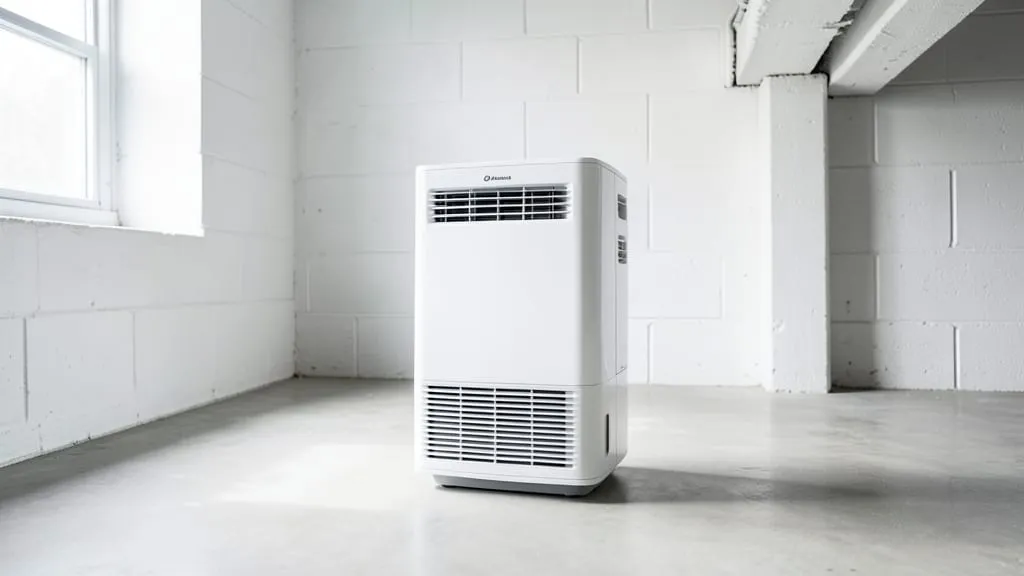
Use dehumidifiers in basements and crawl spaces during humid months. Ensure attic ventilation is adequate to prevent condensation buildup in winter.
When to Call for Professional Mold Testing and Remediation
DIY fixes work for small, surface-level mold. But if water damage covers more than 10 square feet, involves contaminated water, or recurs despite cleaning, professional intervention is necessary.
Air quality testing can reveal hidden spores in HVAC systems or behind walls. In Randolph, contractors often pair mold testing with moisture mapping to identify the root cause before remediation begins.
Preventing Future Mold After Water Damage
The key to prevention is controlling moisture. Repair leaks promptly, improve ventilation in bathrooms and kitchens, and use moisture barriers in crawl spaces. In older Randolph homes, upgrading insulation can reduce condensation risks.
Regular inspections—especially after storms or plumbing issues—help catch problems early. Focus on high-risk areas: basements, attics, laundry rooms, and around windows.
Post-Water Damage Mold Prevention Checklist
- Dry affected areas completely within 48 hours using fans or dehumidifiers
- Inspect and repair the source of water intrusion (leaks, cracks, etc.)
- Remove and replace water-damaged porous materials (drywall, carpet, insulation)
- Use a moisture meter to confirm surfaces are dry before rebuilding
- Monitor humidity levels (keep below 60%) with a hygrometer
- Schedule a professional mold inspection if the area was wet for more than 2 days
How to Inspect for Mold After Water Damage
A systematic inspection can reveal mold before it becomes a widespread issue.
- 1Safety First
Wear an N95 mask, gloves, and eye protection. Avoid disturbing visible mold, which can release spores into the air.
- 2Check for Visible Signs
Look for discoloration (black, green, white, or gray spots) on walls, ceilings, floors, and under sinks. Pay attention to areas near water sources.
- 3Follow the Nose
Musty odors often indicate hidden mold. Trace the smell to its source, checking behind furniture, inside closets, or under carpeting.
- 4Inspect Hidden Areas
Use a flashlight to examine behind baseboards, inside HVAC vents, and under flooring. Look for water stains, warping, or peeling paint as clues.
- 5Test for Moisture
Use a moisture meter to detect elevated moisture levels in materials. Readings above 15-20% in wood or drywall suggest a problem.
- 6Document Findings
Take photos and notes of all signs of mold or water damage. This helps professionals assess the scope and create a remediation plan.
Frequently Asked Questions
How quickly can mold grow after water damage in a Randolph home?
Mold can begin growing within 24–48 hours of water exposure, especially in warm, humid conditions. In Randolph’s climate, this timeline can be even shorter during summer months. Immediate drying is critical to prevent colonization.
Can mold return after remediation if the water issue isn’t fixed?
Yes. Without addressing the root cause—such as a leaky pipe or poor ventilation—mold will likely recur. Effective remediation includes both removing existing mold and preventing future moisture intrusion.
Is mold from water damage in a basement dangerous?
Basement mold can be hazardous, particularly if it’s exposed to living spaces or HVAC systems. Some molds produce mycotoxins that may cause respiratory issues or allergies. Professional testing can identify the type and severity.
What’s the difference between mold testing and mold inspection in Randolph?
A mold inspection visually assesses for signs of mold and moisture. Mold testing involves collecting air or surface samples to identify spore types and concentrations. Both are often recommended after water damage to ensure thorough detection.
Are there specific Randolph neighborhoods more prone to water damage and mold?
Older neighborhoods with aging infrastructure, such as parts of Randolph Center or areas near the Blue Hills, may face higher risks. Low-lying areas or homes near water bodies are also more susceptible to flooding and moisture issues.
Can I paint over mold to hide water damage?
No. Painting over mold without proper remediation traps moisture and allows the colony to grow underneath. The mold will eventually resurface, often worse than before. Always address the moisture source and remove the mold first.