Mold vs. Mildew in Randolph Bathrooms and Kitchens: When to Worry
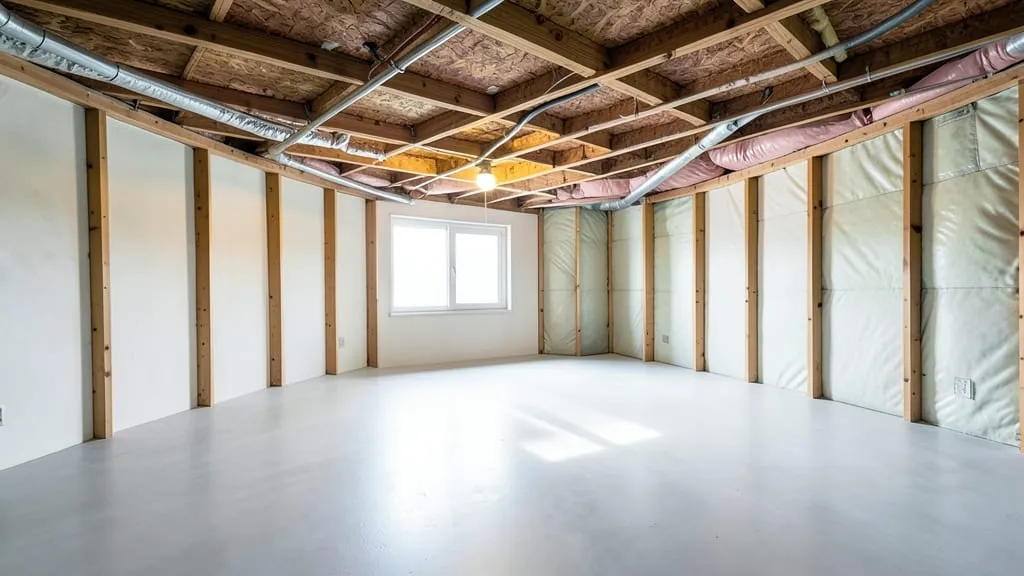
Bathrooms and kitchens in Randolph often battle humidity, making them prime spots for mold and mildew. While both thrive in damp spaces, one is a surface nuisance and the other can signal deeper trouble. Knowing the difference helps homeowners decide when to clean and when to call for remediation.
Mildew: The Surface-Level Offender
Mildew is a type of mold, but it stays on the surface of materials. It appears as a gray or white powdery substance, often on shower walls, window sills, or caulk in bathrooms.
It thrives in warm, humid environments like Randolph kitchens and bathrooms, especially where ventilation is poor. Regular cleaning with a bleach solution or commercial mildew remover usually resolves it.
Left unchecked, mildew can spread, but it rarely damages structures. It’s more of an aesthetic and odor issue than a health or structural concern.
Run exhaust fans during and after showers or cooking. Wipe down wet surfaces and fix leaky faucets promptly to starve mildew before it starts.
Mold: The Deeper Threat
Mold penetrates porous materials like drywall, wood, and grout. It often appears as black, green, or brown patches, sometimes fuzzy or slimy. In Randolph homes, it’s common behind walls, under sinks, or beneath flooring where moisture lingers.
Unlike mildew, mold can compromise structural integrity and pose health risks, especially for those with allergies, asthma, or immune issues. It releases spores that spread through the air, affecting indoor air quality.
Hidden mold is a major concern. It can grow undetected in wall cavities, under carpeting, or inside HVAC systems, requiring professional inspection and remediation.
A persistent earthy or musty smell often signals hidden mold. Even if you can’t see it, the odor means spores are active and spreading.
Key Differences at a Glance
Understanding the distinctions helps homeowners act appropriately. Mildew is easier to treat, while mold often demands a more thorough approach.
| Feature | Mildew | Mold |
|---|---|---|
| Appearance | Gray or white, powdery or downy | Black, green, brown, or multicolored; fuzzy or slimy |
| Surface vs. Deep | Stays on the surface | Penetrates porous materials |
| Health Risk | Minimal; mostly aesthetic | Can cause allergies, respiratory issues, or other health effects |
| Common Locations | Shower walls, caulk, window sills | Behind walls, under flooring, in HVAC systems, on drywall |
| Removal Difficulty | Easy with cleaning solutions | Often requires professional remediation |
| Prevention | Improve ventilation, reduce humidity | Fix leaks, control moisture, inspect hidden areas |
Why Randolph Homes Are Vulnerable
Randolph’s climate, with its humid summers and wet springs, creates ideal conditions for mold and mildew. Poorly ventilated bathrooms and kitchens trap moisture, accelerating growth.
Older homes, common in areas like Stoughton or Canton, may have outdated plumbing or inadequate ventilation, increasing risk. Basements and crawl spaces in Holbrook or Avon often suffer from dampness, which can spread upward into living areas.
Coastal proximity in nearby towns like Weymouth or Quincy adds salt air, which can corrode surfaces and create additional moisture issues. Even newer homes in Milton or Braintree aren’t immune if humidity isn’t controlled.
Signs It’s Time for Professional Remediation
Surface mildew can often be handled with DIY cleaning. But mold—especially in large areas (typically over 10 square feet) or hidden spaces—requires professional attention.
Visible mold returning after cleaning is a red flag. It suggests an underlying moisture problem that hasn’t been addressed. Persistent odors, water stains, or peeling paint also warrant a closer look.
In Randolph, contractors often see mold in bathrooms after long-term leaks or in kitchens with poor exhaust fan performance. If mold is found in HVAC ducts, it can spread spores throughout the home, making remediation urgent.
When to Call a Remediation Specialist
- Mold covers more than 10 square feet
- Mold returns after cleaning
- You smell mold but can’t see it
- Mold is in HVAC systems, ductwork, or insulation
- There’s evidence of water damage (stains, warping, peeling)
- Household members experience unexplained allergies or respiratory issues
The Remediation Process: What to Expect
Professional remediation starts with containment to prevent spores from spreading. Crews use plastic sheeting and negative air pressure to isolate the area, especially in multi-unit buildings or homes with shared ventilation.
Next, affected materials are removed or cleaned. Porous items like drywall or carpet often need removal, while non-porous surfaces (tile, glass) can be cleaned. HEPA vacuums and air scrubbers capture airborne spores during the process.
The final step is addressing the moisture source. Without this, mold will return. In Randolph, this might involve repairing leaks, improving drainage, or installing dehumidifiers in basements or crawl spaces.
Preventing Future Growth in Bathrooms and Kitchens
Controlling humidity is the first line of defense. In Randolph, where outdoor humidity can be high, indoor levels should stay below 50%. Dehumidifiers in basements or crawl spaces help, as do exhaust fans in bathrooms and kitchens.
Regular inspections are key. Check under sinks, around toilets, and behind appliances for leaks or condensation. In kitchens, pay attention to the area around the dishwasher and refrigerator, where moisture can accumulate unnoticed.
For persistent issues, consider an air quality test. This can identify hidden mold or elevated spore counts, even if no visible growth is present. It’s especially useful before purchasing a home or after water damage.
Randolph’s wet springs and humid summers are peak times for mold growth. Schedule inspections in early spring or late fall to catch issues before they worsen.
Related Concerns: Beyond Bathrooms and Kitchens
Mold doesn’t limit itself to bathrooms and kitchens. In Randolph, basements and crawl spaces are common trouble spots due to poor airflow and groundwater seepage. Attics can also harbor mold if roof leaks go unnoticed.
Water damage from storms, burst pipes, or sewer backups can lead to widespread mold in living areas. In multi-family buildings or condos in nearby Braintree or Quincy, shared walls and HVAC systems can spread mold between units.
Commercial spaces like restaurants or clinics in Brockton or Norwood face unique challenges. High foot traffic, industrial kitchens, or medical equipment can create moisture pockets that foster mold growth.
How to Test for Hidden Mold in Your Randolph Home
If you suspect mold but can’t see it, a systematic approach can help confirm its presence.
- 1Visual Inspection
Check common hotspots: behind furniture, under sinks, around pipes, in basements, and inside closets. Look for discoloration, water stains, or peeling paint.
- 2Use a Moisture Meter
These inexpensive tools measure moisture levels in walls, floors, and ceilings. Readings above 15-20% indicate a potential problem.
- 3DIY Test Kits
Available at hardware stores, these kits let you collect surface or air samples. Follow instructions carefully to avoid contamination. Results are sent to a lab for analysis.
- 4Professional Air Quality Testing
For a thorough assessment, hire a specialist to take air and surface samples. They can identify mold types and spore counts, even in hidden areas like ductwork or wall cavities.
- 5Thermal Imaging
Infrared cameras detect temperature differences that can reveal hidden moisture. This is especially useful for identifying leaks behind walls or in ceilings.
- 6Interpret Results
Compare indoor spore counts to outdoor levels. Elevated indoor counts suggest a mold issue. A professional can help determine the severity and next steps.
Frequently Asked Questions
Can I use bleach to kill mold in my Randolph bathroom?
Bleach is effective for non-porous surfaces like tile or glass, but it doesn’t penetrate porous materials like grout or drywall. For those, a mold-specific cleaner or professional remediation is better. Always wear protective gear and ventilate the area.
How quickly can mold grow after a water leak in my kitchen?
Mold can begin growing within 24 to 48 hours of water exposure. In Randolph’s humid climate, it may spread even faster. Promptly drying the area and addressing the leak is critical to preventing growth.
Is black mold more dangerous than other types?
Stachybotrys chartarum, often called black mold, can produce toxins under certain conditions. However, all molds should be treated seriously, especially in large quantities or hidden areas. The color alone doesn’t determine risk—spore type and exposure level matter more.
What should I do if I find mold in my rental property in Randolph?
Document the issue with photos and notify your landlord or property manager in writing. In Massachusetts, landlords are typically responsible for addressing mold caused by structural issues or neglect. Request a professional inspection and remediation if the problem is significant.
Can mold in my basement affect the upstairs living areas?
Yes. Mold spores are airborne and can travel through HVAC systems, open doorways, or even on clothing. If your basement has mold, spores can spread to upper floors, affecting air quality throughout the home. Containment and proper remediation are essential.
Are there any natural ways to prevent mold in my Randolph home?
Improving airflow is the most natural prevention method. Open windows when weather permits, use exhaust fans, and ensure furniture isn’t blocking vents. Vinegar or tea tree oil solutions can help clean small mildew patches, but they won’t replace proper moisture control or remediation for mold.